What You'll Learn
- Choose the best material for Atlanta’s climate: when to use natural stone vs segmental concrete block and when to avoid timber or consider gabions.
- Learn the three essentials of longevity: engineered strength, proper drainage, and low-maintenance builds that resist shifting soils and heavy rains.
- Match durability with curb appeal: stone that patinas naturally vs block that stays crisp and modern, so your wall looks better year after year.
- Prevent failures before they start: site-specific design with soil studies, root checks, grade adjustments, and water flow planning.
- Know what a quality build looks like: transparent timelines and pricing, materials tailored to your yard, and cleaner, quieter installation with all-electric equipment.
Standing on the edge of a sloped backyard in Sandy Springs, it is easy to imagine the transformation a professionally installed retaining wall brings. Not just a practical boundary or a bulwark against erosion, a truly lasting wall feels rooted: it holds back earth, keeps water at bay, and frames the landscape with deliberate strength. For homeowners around Metro Atlanta, the material you choose for that wall quietly decides how your yard will look, and last, for decades to come.
The Problem: Slopes, Erosion, and Fading Curb Appeal
In places like Dunwoody, neighbors see a lot of hilly yards. While those gentle inclines give character, they also create headaches: heavy rains wash away mulch, untamed slopes eat into garden space, and the backyard can feel like a never-ending project. By summer’s end, patches of dirt and crumbling ground can make the landscape feel tired instead of inviting.
This is where retaining walls come in. But a wall is no better than what it’s built from. Struggling with cracks, bulges, or that patched-up look, many homeowners realize a poorly chosen material doubles their headaches. A wall should be strong, standing sturdy year after year, and with the right material, it becomes the quiet hero of the landscape.
Retaining Wall Materials: Stone or Block?
Every corner of Metro Atlanta has its own flavor, from the traditional charm of Buckhead to the family neighborhoods in Brookhaven. But everywhere, homeowners are faced with one central decision: Which retaining wall material will truly last? When you hear folks talk about block vs stone walls, the choice is about more than style. It is about how the material holds up against the climate, soil, and even the roots weaving beneath Atlanta’s old trees.
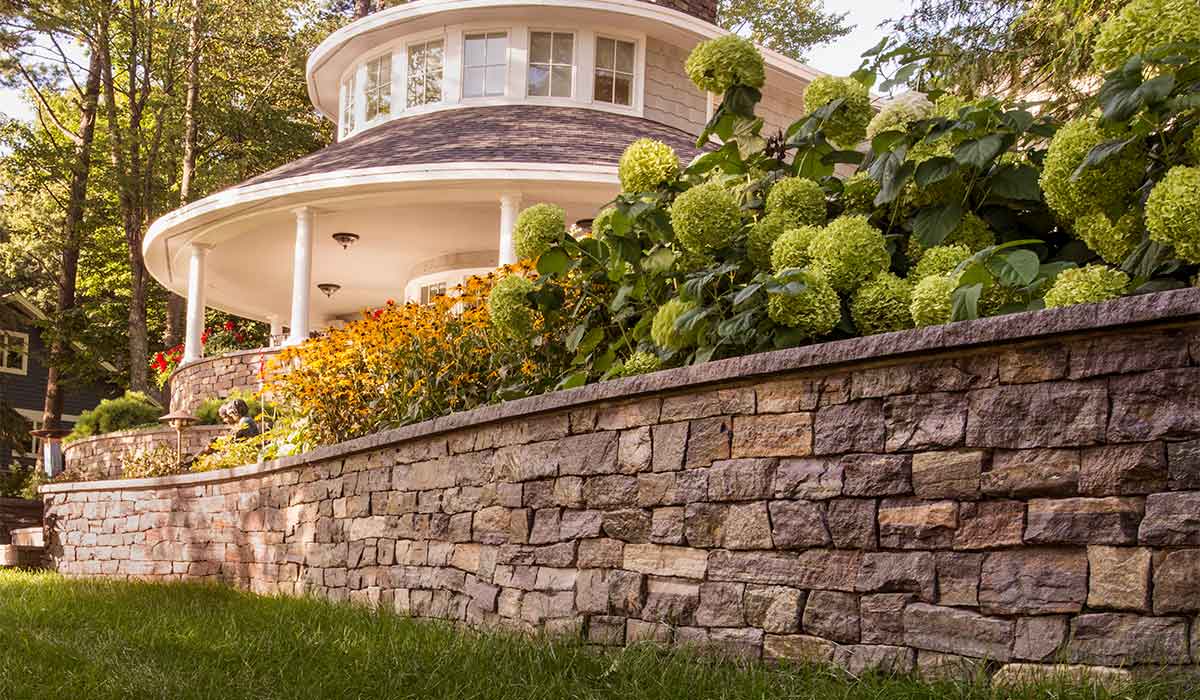
- Natural Stone: Think of granite boulders or fieldstone, these are quarried from the ground and feel organic to Georgia’s landscape. Stone brings timeless beauty and a sense of weight, perfect when you want the wall to blend with older homes or woodland gardens. Laid carefully by hand, stone walls can last a lifetime but require skilled craftsmanship to ensure proper drainage and stability.
- Segmental Concrete Block: Engineered for consistency, these interlocking units make installation faster and more predictable. Today’s block systems come in subtle colors and textures, echoing natural rock while trading weight for a smarter, lighter build. Properly installed, block walls can stand 40 years or more, especially with the shifting soils common in Sandy Springs.
- Timber: Treated wood can be an easy fit for small, informal beds, but with Georgia’s humidity and termites, wood breaks down long before stone or block. It is best reserved for lower walls in spots with good drainage and modest expectations.
- Gabion Baskets: Woven steel baskets filled with stone create a rustic, industrial look. They drain beautifully and hug uneven land, but they don’t fit every home’s style and can corrode over time if not maintained.
Insight: What Makes a Retaining Wall Material Really Last?
Every material has its personality, but lasting performance depends on more than just looks:
- Strength: Concrete block is engineered for load-bearing, while natural stone relies on mass and tight stacking. Both resist shifting and soil pressure far better than timber or loose gravel.
- Drainage: Water is the enemy of every wall in Metro Atlanta. Both stone and segmental block walls allow water to pass through or around, minimizing freeze-thaw damage in winter and mold in summer.
- Low Maintenance: Once built, a block or stone wall should need little attention besides the occasional cleaning. No rot, no crumbling mortar, just peace of mind for decades.
- Appearance Over Time: Stone softens beautifully, gathering moss and aging naturally. Concrete block holds its lines sharply, offering a crisp, modern look that won’t fade with care.
Oak Avenue’s Approach to Durable Design and Build
Homeowners across Metro Atlanta stay with Oak Avenue not just for finished walls, but for the lasting trust in their backyard investment. Our team specializes in both traditional stonework and block systems, matching the right material to the shape of your land and the spirit of your home. We believe in sharing every step: transparent communication, clear timelines, and transparent pricing. Our all-electric equipment keeps your project quiet and the air clean, reflecting our commitment to the neighborhoods we serve.
Each retaining wall starts with careful soil study and drainage planning no matter if you are building on a shaded Brookhaven slope or redefining a clay hill in North Buckhead. By designing and building ourselves from start to finish, we catch the details that matter: hidden roots, unexpected grade changes, and the way shadows fall across your yard at sundown. These small touches are what keep a wall standing proud long after the trucks roll away.
Make Your Landscape Stand the Test of Time
Choosing the right retaining wall materials is not just a product choice; it is about investing in peace of mind, safety, and beauty for your property. Whether debating block vs stone walls for your Dunwoody home or searching for guidance on a new build in Sandy Springs, Oak Avenue is here with honest advice and skilled hands ready to get started.
Lets make your outdoor space sturdy, beautiful, and built for Atlanta’s seasons. Contact Oak Avenue Landscaping today to begin designing a retaining wall that will hold strong, year after year, where every stone and block is placed with care and local pride.
Frequently Asked Questions
How do I decide between natural stone and segmental concrete block?
You’ll want to balance look, longevity, and site conditions. Natural stone gives you timeless beauty and can last a lifetime when expertly built with good drainage. Segmental concrete block is engineered for consistency, installs faster, and can stand 40+ years—great for Atlanta’s shifting soils. If you prefer organic character, choose stone; if you want predictable performance and crisp lines, choose block.
How long will a well-built retaining wall last in Metro Atlanta?
You can expect segmental block walls to last 40 years or more with proper installation and drainage. Natural stone walls can last a lifetime when stacked correctly and allowed to drain. Timber typically has a much shorter lifespan in Atlanta’s humidity and termite pressure, and gabion baskets can endure well but may corrode if not maintained.
Why is drainage such a big deal for my retaining wall?
You’re fighting water pressure as much as soil pressure. Good drainage keeps water moving through or around the wall, reducing freeze-thaw damage, bulging, and mold. Both stone and block systems handle water well when designed correctly, which is why every Oak Avenue project starts with soil study and drainage planning tailored to your yard.
Will a timber wall work for my yard?
You can use treated wood for small, low walls in spots with good drainage, but you should expect a shorter service life in Georgia’s humidity and termite environment. If longevity is your priority, you’ll get far better durability from stone or segmental block.
Are gabion baskets a good option for me?
You might love gabions if you want a rustic, industrial look that drains exceptionally well and adapts to uneven terrain. They don’t fit every home’s style and can corrode over time without upkeep, so they’re best when the aesthetic suits your property and you’re comfortable with periodic maintenance.
Can I build a retaining wall myself, or should I hire a pro?
You can DIY small landscape edges, but for taller walls, slopes, clay soils, or tree roots, you’re better off with a pro. Stonework in particular requires skilled craftsmanship, and both stone and block systems depend on solid base prep and drainage. Oak Avenue’s design-build approach helps you avoid issues like bulging, cracking, or water buildup.
How will you make sure the wall suits my home and yard in Atlanta?
You get a wall matched to your home’s style and your land’s needs. Oak Avenue studies your soil, slope, roots, and drainage, then recommends stone or block that fits your neighborhood’s character—from traditional to modern. You’ll have clear timelines, transparent pricing, and quieter, cleaner construction with our all-electric equipment.